No products in the cart.
Training Tips
Hip Thrust – Training Guide
Master the hip thrust with our training guide exploring the benefits, mechanics, and common mistakes for this posterior chain exercise.

CATEGORIES
MUSCLE GROUPS
RANGES











PROJECTS
SPACES
ABOUT US
WORLDWIDE
The Hip Thrust (also commonly referred to as a Glute Bridge) is a popular strength exercise designed to target the gluteal muscles, particularly the gluteus maximus. By driving the hips upwards and extending through the hips under control, the movement helps develop glute strength, power and muscular endurance.
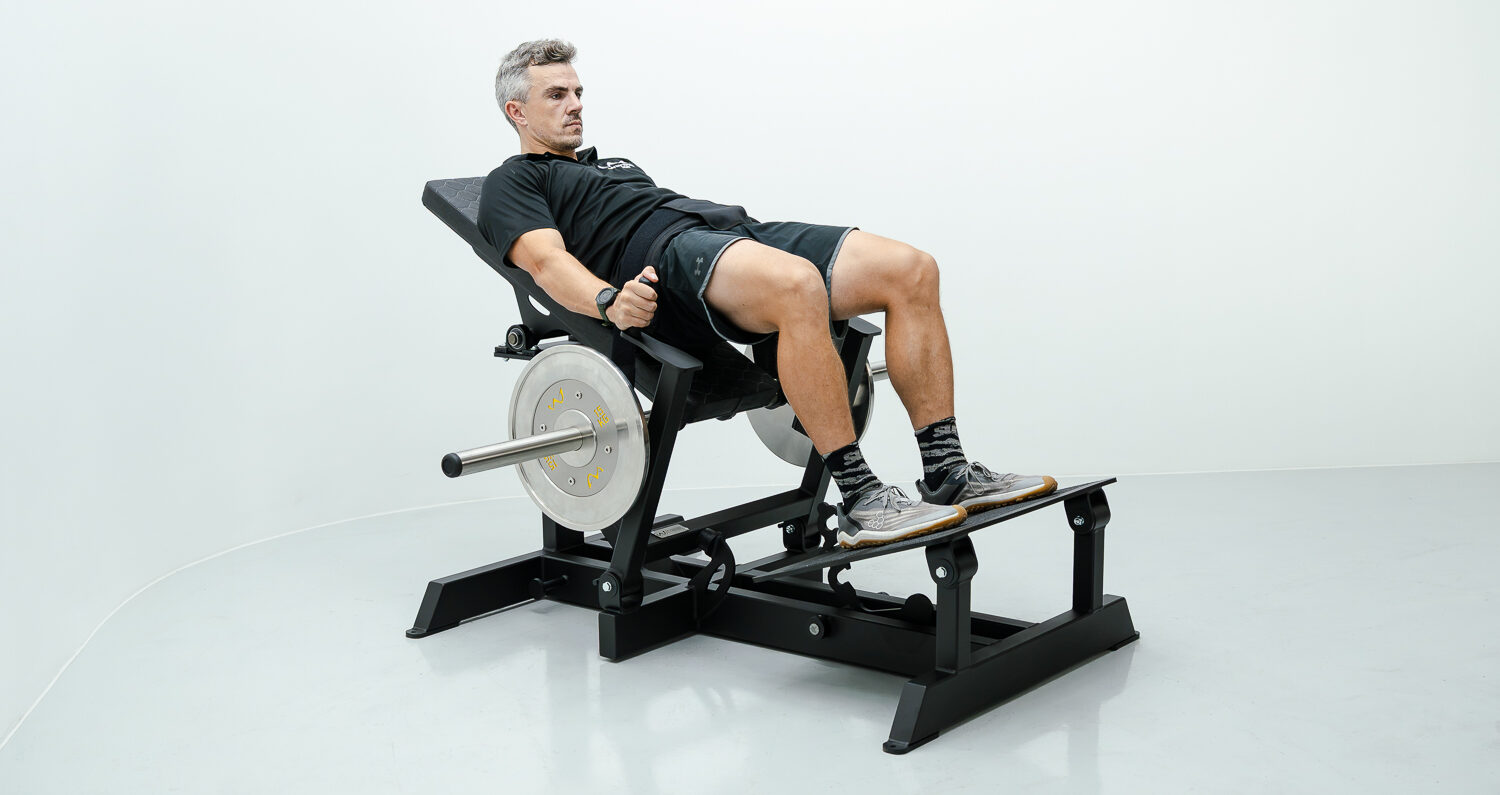
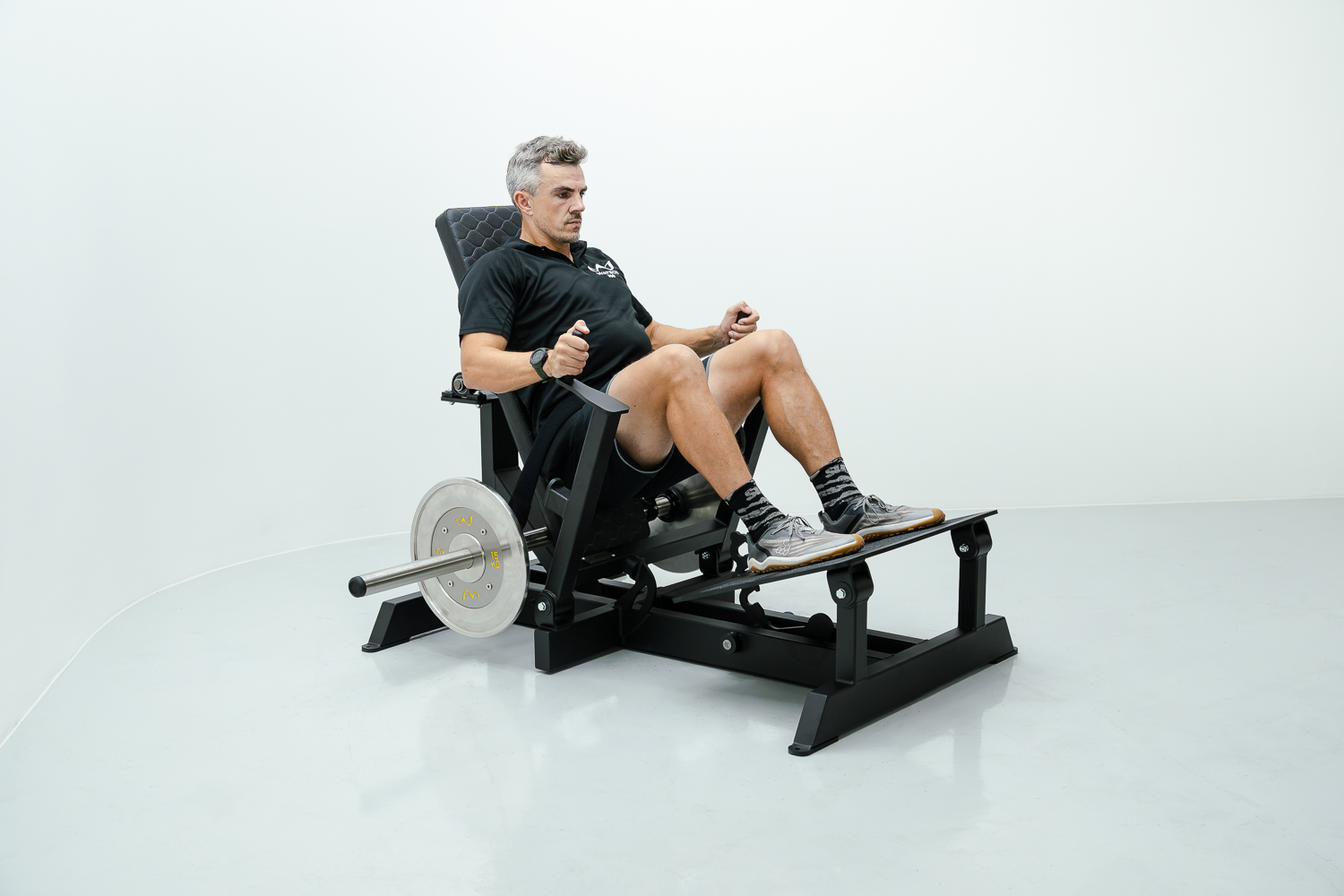
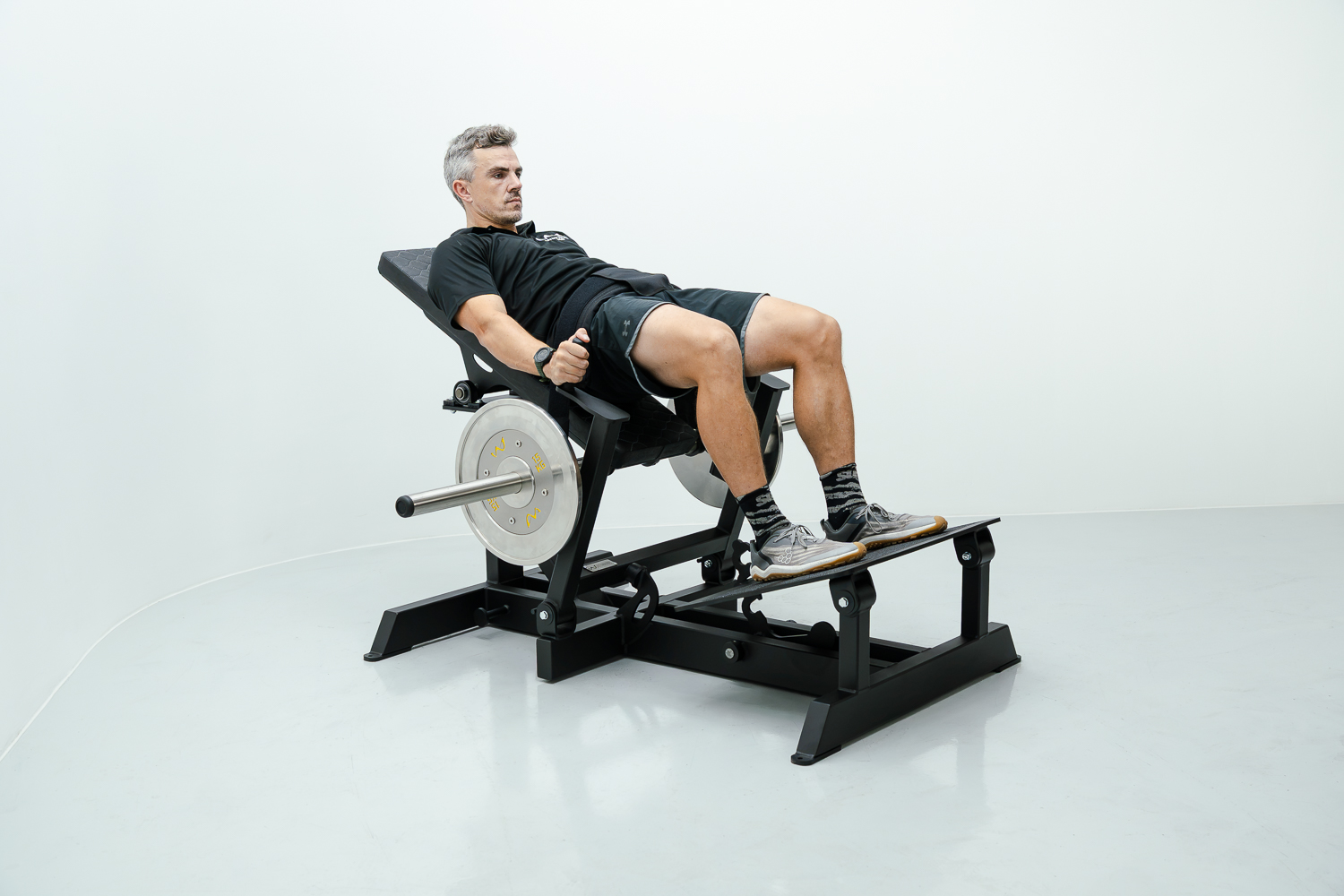
Hip Thrust exercises are commonly performed using Glute Machines such as a dedicated Hip Thrust machine, allowing users to train the movement with added resistance. The Watson Glute Blaster provides a stable and supported setup with adjustable positioning, making it easier to perform the exercise consistently and progressively overloading the glutes. Making it suitable for a wide range of users, from total beginners looking to develop foundational glute strength to experienced lifters aiming to increase lower-body growth and muscular development.
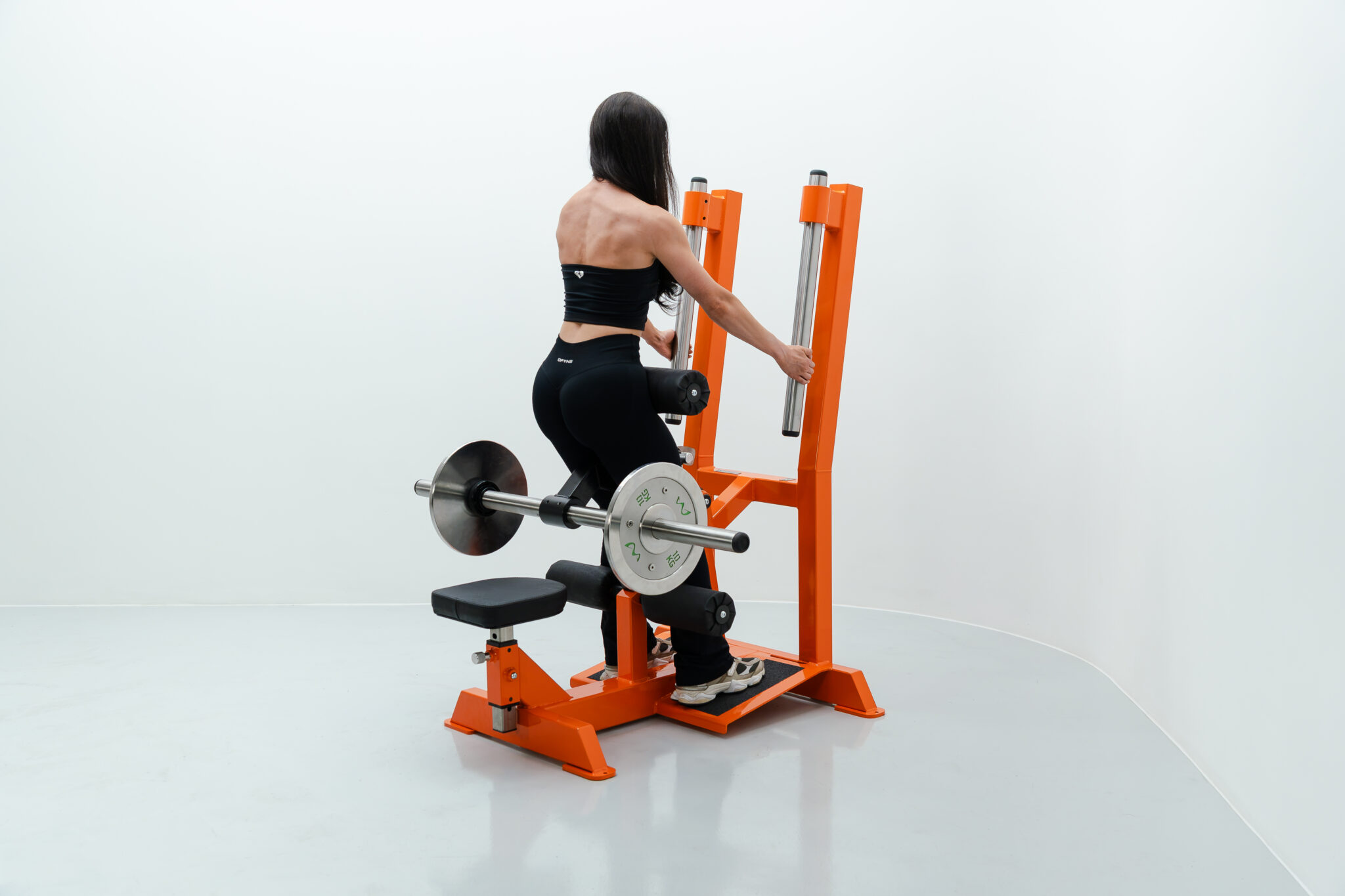
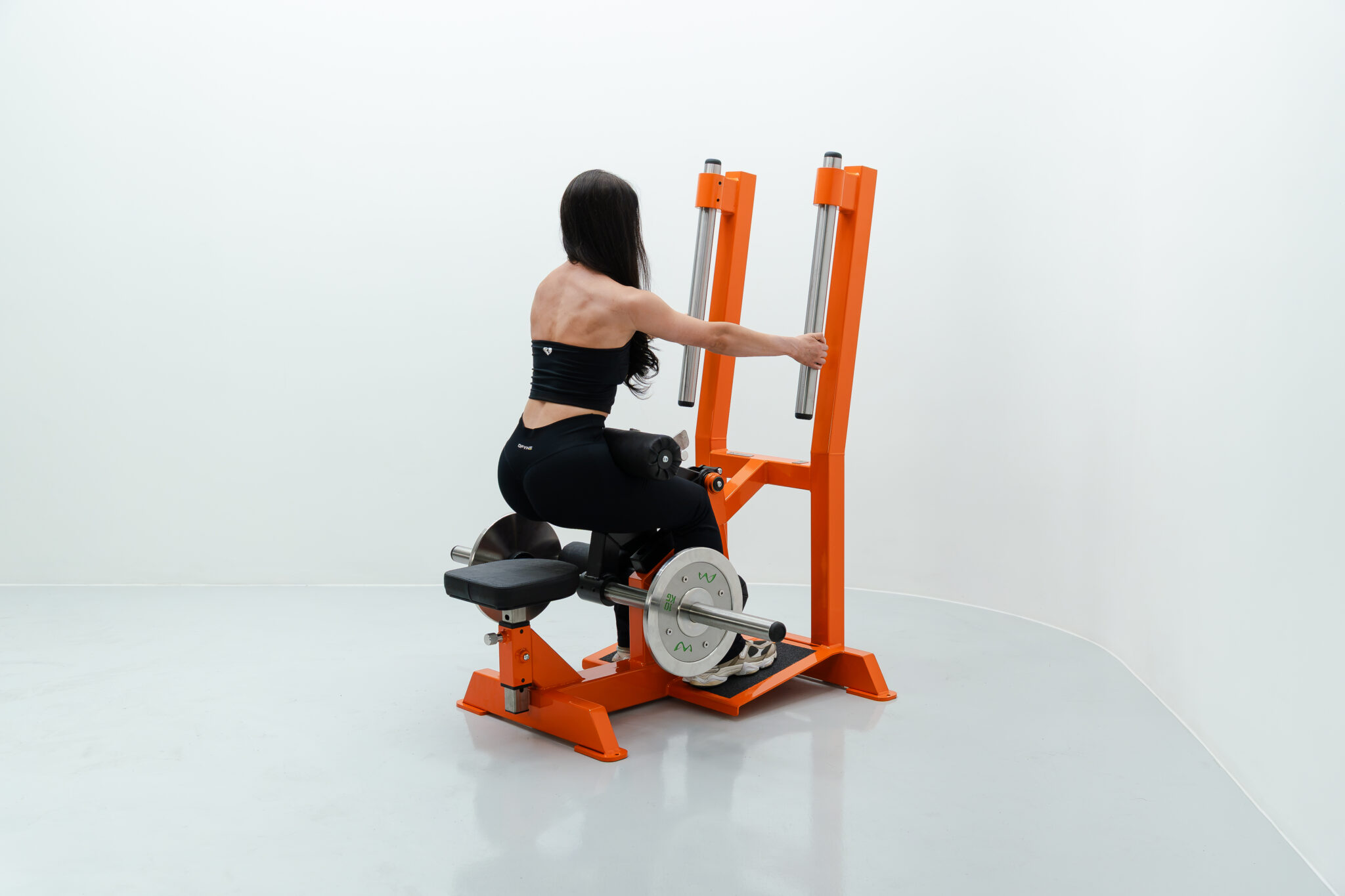
Alternatively the Watson Standing Hip Thrust machine provides a fast and accessible way to perform the Hip Thrust movement without needing a belt, making it an excellent way to learn the mechanics of the movement in a stable and predictable way.
Yes. The Hip Thrust is an excellent exercise for beginners because it provides a supported environment in which to learn the hip extension movement.
Staring with a light resistance allows you to focus on positioning, control and technique before gradually increasing the load as your strength and confidence improves.
Most people can benefit from performing direct glute training one to three times a week, depending on their overall training programme, training experience and recovery.
The Hip Thrust can be used as a main lower-body movement or incorporated later in a session as an accessory exercise.
Neither is inherently better. A traditional barbell hip thrust provides the flexibility of free-weight training, while a Glute Bridge machine offers a dedicated, supported setup with straightforward resistance progression.
Machine versions can be particularly useful for users who want to focus on the glutes without the addition setup required for a barbell hip thrust.
Yes, stronger glutes can contribute to improved performance in compound lower-body exercises such as squats and deadlifts.
The Watson Glute Blaster can therefore be used as part of a well-rounded strength programme alongside compound movements and other posterior-chain exercises.
You should primarily feel the movement in your glutes, although the hamstrings and other muscles involved in the hip extension will also contribute.
If you constantly feel the movement elsewhere, check your foot position, range of motion and technique against our form guide.

The Hip Thrust or Glute Bridge movement primarily targets:
Secondary muscles involved include:
Because the movement is based around hip extension, the glutes produce much of the force required to drive the hips upwards, while the hamstrings and surrounding muscles contribute to the movement and help stabilise the body.
Build stronger glutes – The Glute Bridge provides a direct way to train the glutes under resistance. Stronger glutes can contribute to improved performance in lifting, sprinting, jumping and everyday movements.
Support lower-body strength – The hip extension movement trains and important component of lower-body strength and can complement exercises such as squat, deadlifts and lunges.
Progressive overload – Unlike bodyweight glute bridges or hip thrusts with a barbell, the Watson Glute Blaster allows users to easily add resistance and gradually increase the training challenge as their strength improves.
Beginner friendly – The supported machine setup makes learning the hip thrust movement straightforward, allowing beginners to focus on controlled movement and proper technique before progressing to heavier resistance. Super easy to use, minimal set up compared to a barbell hip thrust.
Stable training position – The machine provides support throughout the exercise, helping users maintain a consistent position in concentrating on hip extension and glute contraction.
Glute-focused movement – The Glute Blaster allows users to train the glutes directly without requiring the additional setup involved with some free-weight alternatives.
Using too much weight – Choosing a resistance that allows you to complete every repetition with good technique. Increasing the weight too quickly can reduce your range of motion and make it harder to maintain a controlled movement.
Using momentum – Drive the movement with your hips rather than bouncing or swinging throughout the repetition. Smooth, controlled repetitions will help maintain tension throughout the exercise.
Overextending at the top – Finish the movement with your hips extended and your glutes contracted rather than leaning backwards or excessively arching your lower back.
Incorrect foot position – Experiment with your foot position to find a stance that allows you to maintain a good control and achieve a strong glute contraction.
Rushing the lower phase – The lowering portion of the exercise should remain controlled. Avoid allowing the weight to drop rapidly before driving into the next repetition.
If your gym doesn’t have a Watson Glute Blaster or Standing Hip Thrust Machine, try:
These exercised can be incorporated into a wider lower-body training programme, although the resistance profile and movement pattern with differ from the Watson Glute Blaster.

Chris Emmett
Watson Sales Representative, Certified Personal Trainer & Nutritionist
Connect on LinkedIn
Master the hip thrust with our training guide exploring the benefits, mechanics, and common mistakes for this posterior chain exercise.
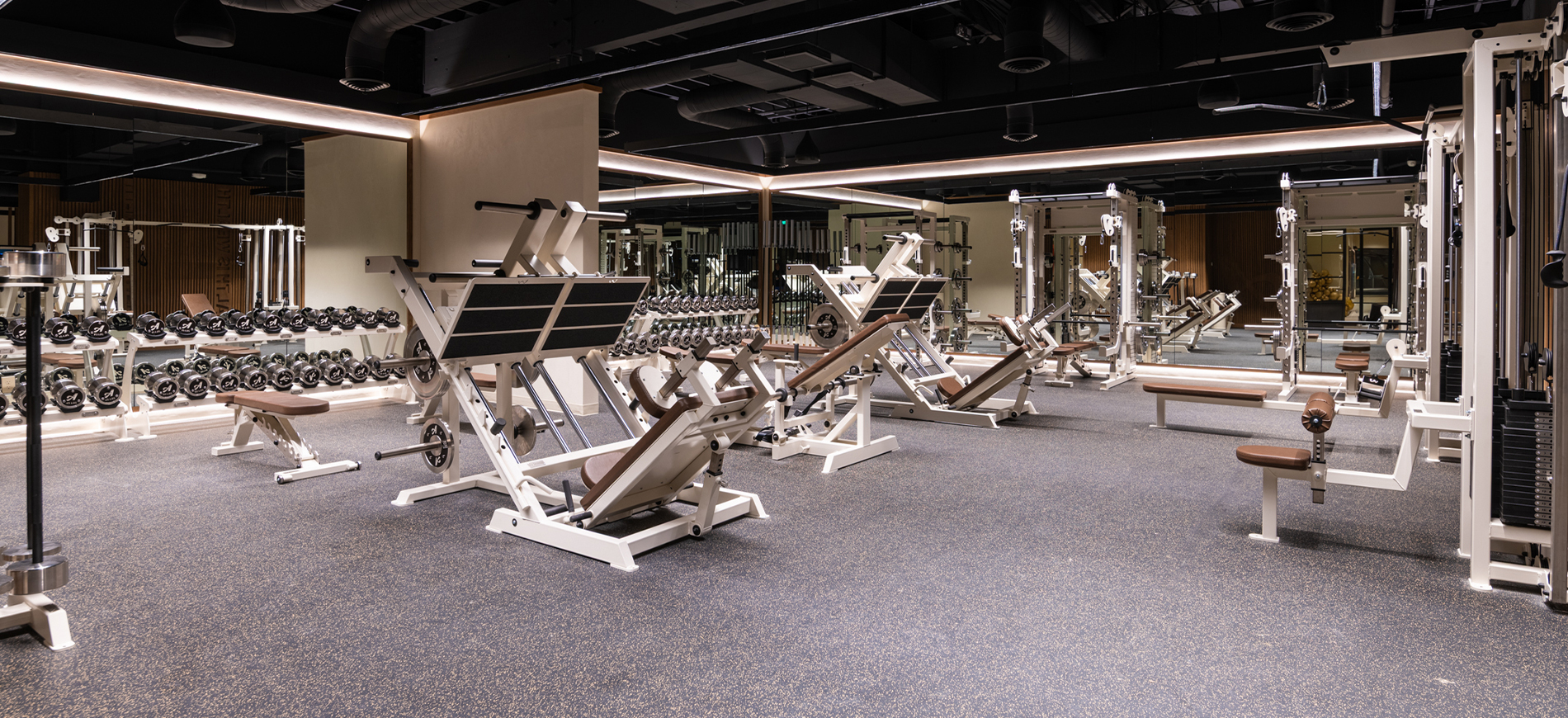
77 Next Level Fitness has officially raised the bar for strength, design, and atmosphere in Central Europe. Spanning an expansive 1,200 m² inside Bratislava’s Sport Mall and operating 24/7, this landmark facility is set to become the largest Watson-supplied gym in Slovakia.
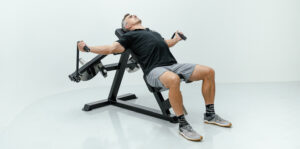
Master the Pec Fly with our training guide exploring the benefits, mechanics, and common mistakes for this chest exercise.